

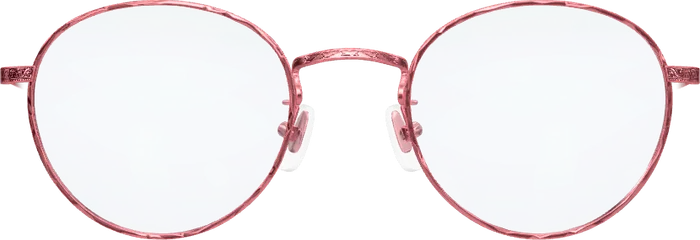
 Elsa
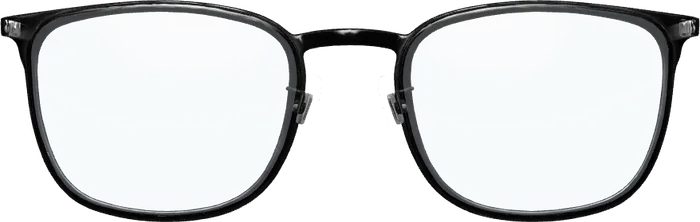 Emil
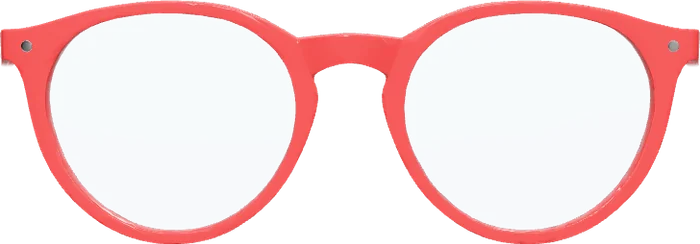 Ines
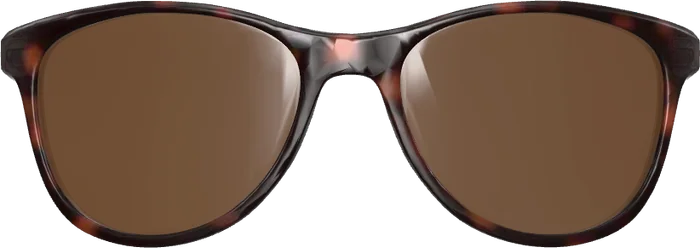 Paul
In short
- The basic rule: the frame contrasts with the shape of the face.
- Size and colour matter as much as shape.
- In the live try-on you test every rule on yourself in seconds, with no photo upload.
How to work out your face shape
You need a mirror and two minutes. Tie your hair back and look straight ahead.
Widest part
Is it the forehead, the cheekbones or the jaw?
Proportions
Is your face about as long as it is wide, or clearly longer?
Jawline
Is the chin rounded, angular or pointed?
Hardly any face matches one shape exactly. Take the closest.
Glasses for each face shape
- Round: rectangular and square frames add definition and make the face look slimmer.
- Square: round and oval frames soften a strong jaw.
- Oval: most shapes work. Just keep the frame no wider than the face.
- Heart: light frames that are wider at the bottom, or rimless ones, balance a broad forehead.
- Long or narrow: tall lenses and bold temples shorten the face.
See it on your own face.
Free, no app and no sign-up. The camera picture never leaves your device.
Getting the size right
- The frame is about as wide as your face at the temples, not wider.
- Your eyes sit near the centre of the lenses.
- The top rim follows your eyebrows without hiding them.
For the lenses your optician needs your pupillary distance. See how to measure your PD.
Which colour goes with hair and skin
Warm skin tones carry brown, tortoiseshell, gold and olive well. Cool skin tones suit black, grey, blue and silver. Dark, heavy rims put the glasses first; light and thin rims put your face first.
The quickest test: try it live
Rules are averages, and your face is not an average. Tools that ask you to upload a photo judge one still picture. A live try-on lets you put round and angular, dark and light frames on one after another and turn your head while you do.
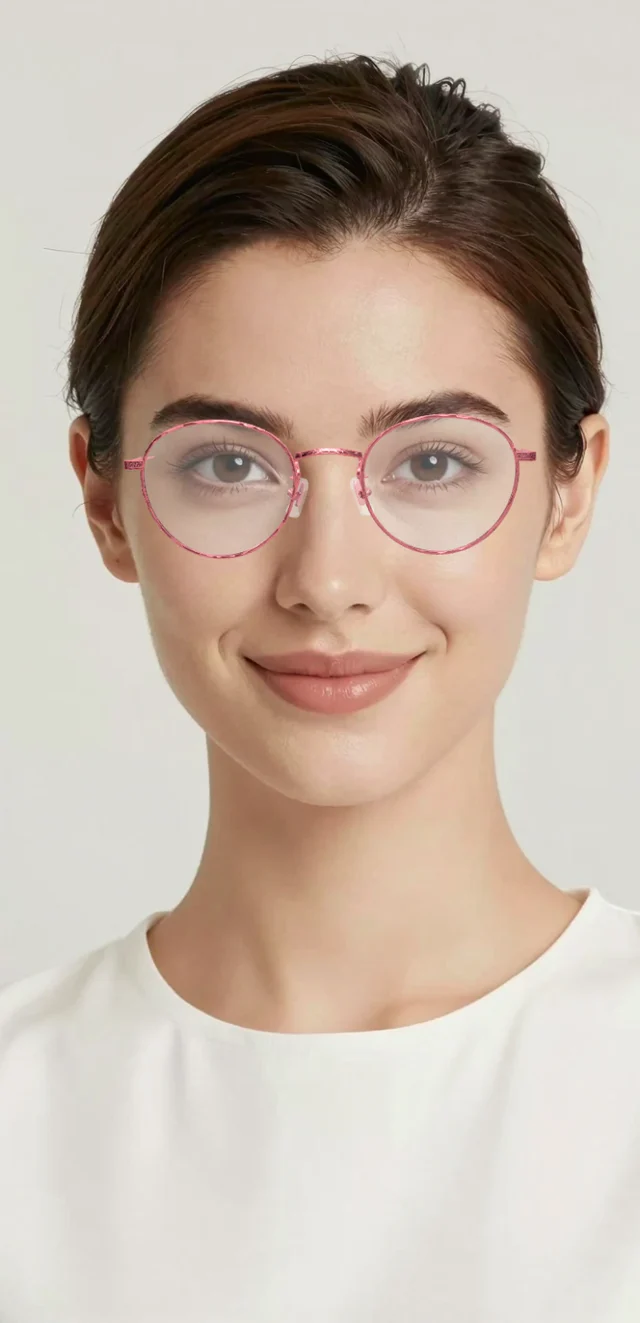
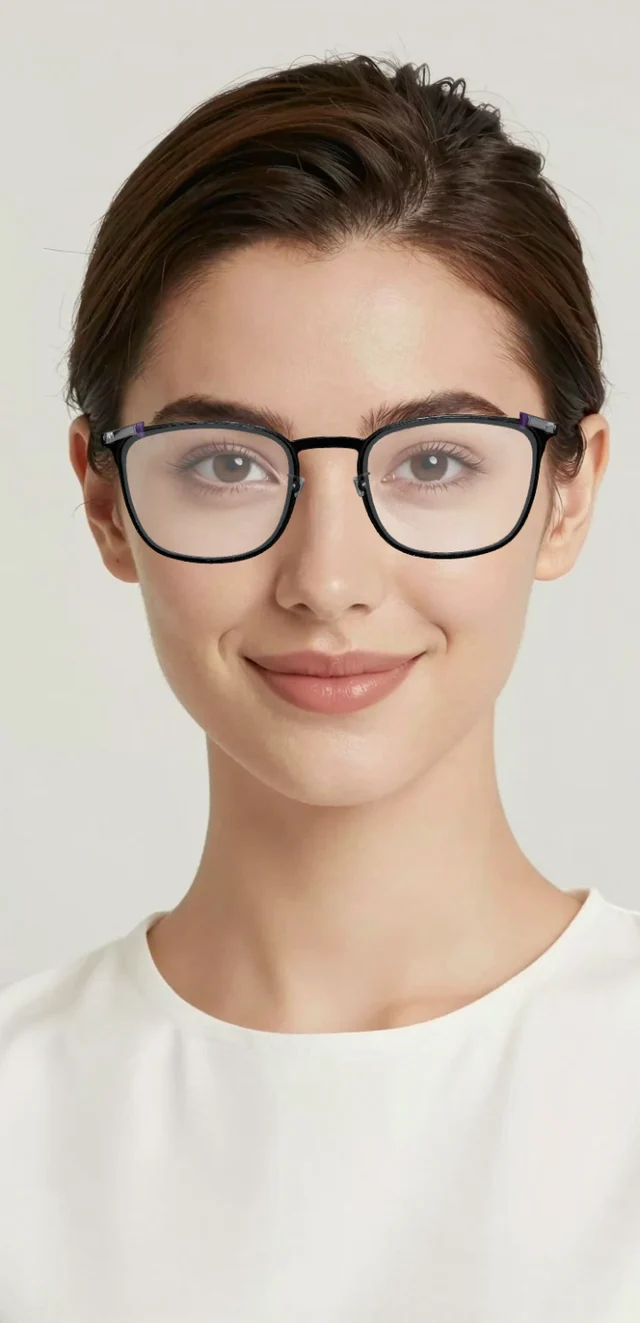
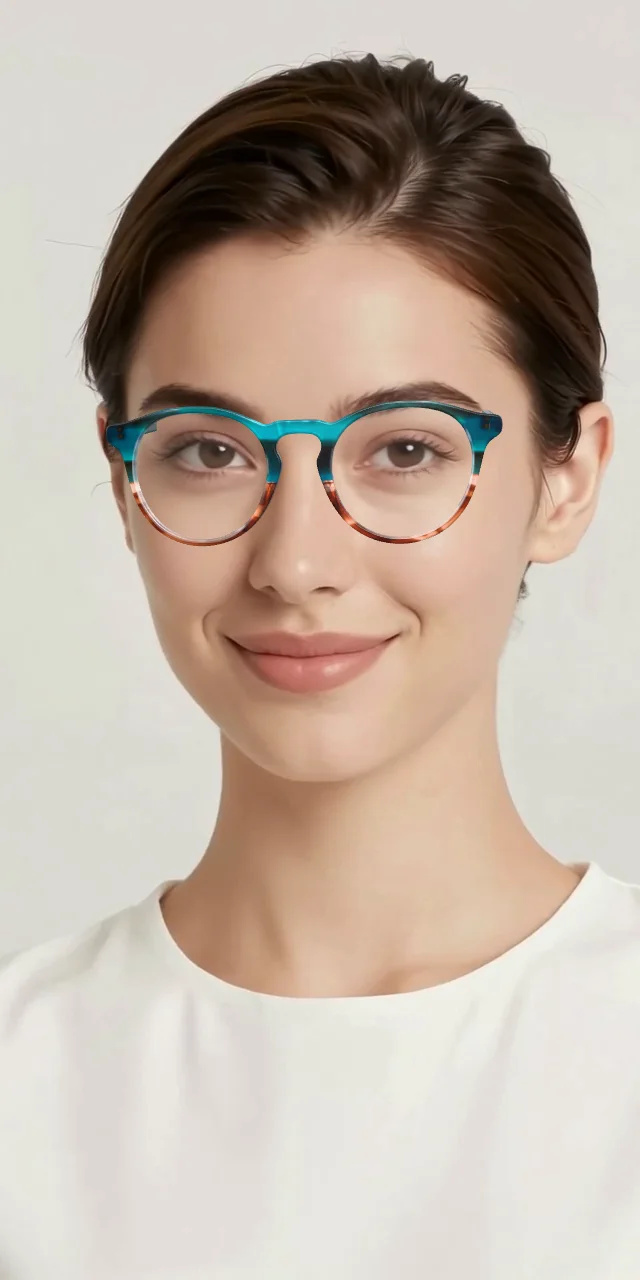
It needs no app and no account, and the picture stays on your device. More on how it works: virtual glasses try-on.